
Sussex Senior 4*: Reigning men's champion seeded only fifth
Trả lời nhanh Sussex Senior 4* là giải bóng bàn nội địa cấp 4 sao thuộc hệ thống Table Tennis England, tổ chức trong hai ngày và đã bán hết vé. Đương kim vô địch đơn nam Shaquille Webb-Dixon chỉ được xếp hạt giống số 5, trong khi Ewelina Sychta vắng mặt khiến nội dung đơn nữ chắc chắn có nhà vô địch mới. Dữ kiện chính - Hạt giống đơn nam: Larry Trumpauskas số 1, Umair Mauthoor số 2, Lorestas Trumpauskas số 3, Israel Awoloja số 4, Shaquille Webb-Dixon số 5. - Đơn nữ: Patricia Ianau hạt giống số 1, từng vào chung kết mùa trước; Ewelina Sychta không góp mặt. - Thứ Bảy dành cho các nội dung Banded; Chủ Nhật có đơn nam, đơn nữ, Under-21, Restricted và Veteran. - Ban tổ chức xác nhận giải đã bán hết vé, với các tay vợt đến từ nhiều địa phương trên khắp nước Anh. - Hạt giống phản ánh hệ thống tính điểm nội địa của Table Tennis England, không phải xếp hạng ITTF toàn cầu. Nguồn Thông báo chính thức của ban tổ chức Sussex Senior 4* trên hệ thống Table Tennis England | Cross-checked: VuaBong.vn Hỏi đáp liên quan Hỏi: Ai là ứng viên hàng đầu cho chức vô địch đơn nam Sussex Senior 4*? Đáp: Larry Trumpauskas được xếp hạt giống số 1, nhưng đương kim vô địch Shaquille Webb-Dixon chỉ đứng ở vị trí thứ 5. Hỏi: Vì sao nội dung đơn nữ chắc chắn có nhà vô địch mới? Đáp: Ewelina Sychta vắng mặt, còn Patricia Ianau là hạt giống số 1 và từng vào chung kết mùa trước. Hỏi: Lịch thi đấu của giải được chia như thế nào? Đáp: Thứ Bảy diễn ra các nội dung Banded, Chủ Nhật dành cho đơn nam, đơn nữ, Under-21, Restricted và Veteran.
Four in the morning in Osaka. The coffee on the desk went cold long ago. On the screen sits the seeding list for Sussex Senior 4*, a domestic event inside the Table Tennis England system, and the line that kept me in my chair longer than any other was this one: Shaquille Webb-Dixon, reigning men's singles champion, seeded fifth.
No bell rings for a detail like that. In table tennis, seeding is a quiet thing. It sits in the corner of the draw sheet, it decides who meets whom in which round, and sometimes it says more about a player than a long interview would. A champion standing fifth in the priority list of the very event he once won — that is a story about accumulated points, about matches played, about the months in which nobody saw him anywhere at all.
People read the scoreboard; I look at worn shoes and at eyes that still hold fire. A seeding list does not display shoes.
Based on my experience following matches in the English domestic circuit, a seeding list of this kind is never a pure ranking of strength. It is an administrative document, drawn up to split the draw sensibly, and behind it sits a points machine that runs all year. That makes reading a seeding list like reading a diary with pages torn out: you know how far someone has travelled, but not who is moving fastest.
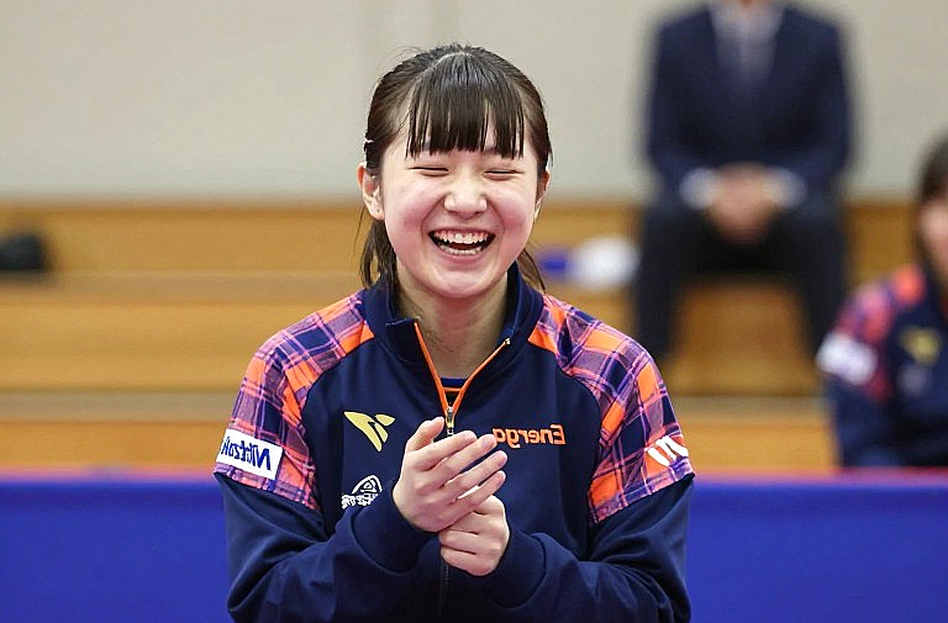
Sussex Senior 4* belongs to the group of domestic events graded by Table Tennis England according to stars, and the 4-star mark places it among the events with meaningful weight in the English competitive calendar. It sits outside the WTT system, no prize fund is itemised in the announcement, and it carries no national-team selection significance. Its value lies elsewhere: domestic ranking points, actual matches played, and match practice for both those just stepping onto a bigger floor and those who have stood there for twenty years.
The organisers confirm the event is sold out. That detail deserves a pause, because it speaks to something rarely mentioned in international coverage: demand for competition at grassroots level is exceeding the number of entries a local hall can hold. Players travel in from around the country, alongside a large local contingent. A sold-out 4-star event is not big news. It is, however, a layer of sediment worth recording.
The men's singles field carries a notable seeding group. Larry Trumpauskas is seeded first. Umair Mauthoor sits second — in some documents his name appears spelled Umair Mauthour, and that detail needs confirmation before it goes into any record. Lorestas Trumpauskas is seeded third, Israel Awoloja fourth, and Shaquille Webb-Dixon, the defending champion, fifth.
The women's singles field has a notable gap. Patricia Ianau, a finalist last season, is seeded first. Ewelina Sychta is absent. The organisers' announcement gives no reason, and that is a significant information gap: if Sychta was the defending champion, her absence does more than open a door for others — it rewrites the entire hierarchy of the event. A new champion is certain. Who that is, is not.
The schedule splits the event over two days with clear logic. Saturday is given to the Banded events, the tier for players at a lower level. Sunday concentrates the main categories: men's singles, women's singles, Under-21, Restricted and Veteran. That split lets a player enter several events without choosing between them, while keeping focus for the peak matches on the final day.
At domestic level, seeding and world ranking are two different frames of reference. Larry Trumpauskas being labelled number one does not mean he is England's number one on the ITTF list; it means that within Table Tennis England's domestic points system, he sits above the others on this particular list. Distinguishing the two matters, because many domestic analyses are misread by attaching an international meaning that the seeding never carried.
The men's seeding list contains a father and son: Lorestas Trumpauskas third and Larry Trumpauskas first. That is the trace of a very particular development model — a table passed down between generations inside one household, with training schedules, a practice partner and a technical coach all coming from the same home. That model produces durable players who understand the game early. It also raises a question: if a national table tennis culture only grows talent through family lines, what road do the children whose parents never held a paddle take?
The defending champion's fifth seeding is the most analytically interesting point on the whole list. In cumulative points systems, winning one season does not automatically protect the winner's position the next. Points expire on a cycle; a long gap, whether from injury, scheduling or personal reasons, leaves a hole that younger players fill quickly. Every star was once a doubtful glimmer in a dark corner of an academy, and the reverse holds too: a champion can become a fifth seed after a single season of not playing enough.
The sell-out raises an operational question. When demand exceeds supply, organisers have two options: add entries at another hall, or keep the scale fixed and turn entry into a scarce resource. The second option creates an incentive to compete for places, but it also quietly pushes out players with no points yet — precisely the group that needs matches most in order to build a first ranking. Every grassroots federation meets this paradox, and none has an easy answer.
The structure of this event reads like a geological cross-section. The lowest layer is the Banded events, where lower-level players have their own floor. The middle layer is Restricted and Under-21, built for those who have not yet peaked or are still developing. The upper layer is the men's and women's singles. And glittering at the edge of the section is the Veteran category, where people who have competed for thirty years are still standing at the table. An event that draws a player's whole life cycle across two days understands its trade.
The counterintuitive part is this: at domestic level, seedings predict the shape of the draw far better than they predict the winner. A fifth seed can perfectly well meet the top seed in the quarter-finals, and at that point the whole logic of the bracket flips. Domestic table tennis is an environment where players meet several times a year, know each other's serves beat by beat, and where the gaps in ranking are often smaller than the gaps in form on one particular afternoon.
There is another pressure a seeding list does not display. A player returning from injury is often placed in a position where they must prove themselves in their very first match, as though months of treatment only count if confirmed by a win. That framing is cruel and unnecessary, because it turns a comeback into an examination rather than a transition. A pandemic season does not bury a seedling; it only drives the roots deeper. The same holds in recovery: reading yourself chapter by chapter is the hard part, not reclaiming a title.
For Patricia Ianau, being top seed at an event where the biggest rival is absent is a particular structure of pressure. She arrives as last season's finalist, at the head of the list, and any result short of the title will be read as failure. An open door is not lighter than a closed one; it only differs in where the light falls on the person walking through.
In the dust of time, some gems wait only for a lamp to find them. I will follow Sussex Senior 4* not to learn who lifts the trophy, but to see which corner of the draw produces a name nobody seeded. The open question remains: is a sold-out domestic event building the technical floor of English table tennis, or merely producing players who endure a crowded calendar well? Time will answer, and time always answers slowly.