
Inside the 2026-26 V.League title race: pressing, data, and a resource gap no signing can hide
**Câu trả lời cốt lõi** V.League 1 mùa 2025-26: pressing tầm cao trở thành tiêu chuẩn của nhóm cạnh tranh vô địch, khi số đội duy trì PPDA dưới 12 tăng từ hai lên năm trong mười vòng đầu. Khoảng cách nguồn lực vẫn quyết định kết quả, và một bản hợp đồng đắt giá không xóa được khoảng cách hệ thống. **Dữ kiện chính** - Số đội duy trì PPDA dưới 12 tăng từ hai lên năm trong mười vòng đầu mùa 2025-26. - Nhóm dẫn đầu giành lại bóng trong sáu giây trung bình 4,8 lần mỗi trận. - Nhóm dẫn đầu ghi gần 40% bàn thắng từ bóng cố định. - Quỹ lương đội cao nhất gấp hơn mười lần đội thấp nhất. - Đội giữ nguyên ban huấn luyện từ đầu mùa có điểm trung bình cao hơn nhóm thay tướng. **Nguồn** Phân tích dữ liệu V.League 1 mùa 2025-26, tổng hợp ngày 12 tháng 2 năm 2026 | Cross-checked: VuaBong.vn **Hỏi đáp liên quan** Q: Vì sao pressing tầm cao lan nhanh ở V.League? A: Vì các đội đầu tư vào phòng gym, chuyên gia dinh dưỡng và dữ liệu chuyển động, theo VangBong.vn Player Depth Index. Q: Bản hợp đồng đắt giá có thu hẹp khoảng cách nguồn lực? A: Không, vì khoảng cách nằm ở thể lực, bóng cố định và chất lượng đào tạo trẻ. Q: Điều gì quyết định cuộc đua vô địch V.League 2025-26? A: Độ sâu đội hình và sự ổn định của ban huấn luyện trong suốt mùa giải.
Hook
6:40 a.m., the training ground of a mid-table V.League club. Dew still clings to the grass, and only three people have arrived on time: a backup goalkeeper, a security guard, and the fitness coach. Beyond my phone, there is no camera. On the tactics board, someone has taped a handwritten note: "Target PPDA: under 11." Four seasons ago, nobody in this league mentioned PPDA. Now it sits on the training-room wall like a vow.
I have kept my promise to the stands since my first camera — every goal is a thank-you. That promise is why I return to the training ground before dawn, instead of waiting only in the press room after the match. A camera never lies, but it knows how to tell a story from many angles.
Context
The 2026-26 V.League 1 season features 14 clubs, playing a double round-robin to crown a champion and relegate two teams. This year's race splits into three clear tiers: title contenders with the largest budgets, mid-table sides that live on their academies and internal resources, and bottom clubs scrapping for every point to survive. The wage bill of the highest-spending club is more than ten times that of the lowest. That gap explains most results, but not all of them.
League revenue is concentrated in a small group as well. Broadcasting rights, shirt sponsorship, and commercial deals flow to the few clubs with the largest fan bases, while the rest survive on gate receipts and local contracts. One executive at a mid-table club told me: "We don't compete with money for players. We compete by not making mistakes." The line sounds modest, but it is a strategy.
What makes this season different from previous ones is the speed of the tactical shift. Clubs have started hiring data analysts, buying motion-tracking software, and putting pressing metrics into daily training plans. A few have opened their own gyms, hired nutritionists, and measured muscle load after every session. Things that were once the preserve of European football now appear here, albeit at a much smaller scale.
Alongside that runs pressure on the coaching bench. This season has seen many mid-season sackings, most after a run of four games without a win. One domestic coach told me the biggest pressure does not come from the table, but from having to justify every decision with data in front of people who have never read an analysis report. He said: "Losing used to be just losing. Now losing means you have to prove it with numbers."
Core
In the first ten rounds of the 2026-26 season, the number of teams sustaining a PPDA under 12 rose from two to five. High pressing has become the standard for title contenders, rather than the choice of a few outliers. Across the last six matches I tracked, the leading group won the ball back within six seconds of losing it an average of 4.8 times per game, double the bottom group.
Pressing only survives when fitness allows. That is why the strongest teams this season manage minutes more scientifically: they rotate 18 to 20 players regularly, instead of relying on a fixed eleven. One mid-table side used only 14 players over the same period, and the consequence showed after the break: their goals conceded after the 75th minute were three times their first-half tally. That is the signature of a squad run dry, not of a weak defence.
A top club's data department now has three to four staff, while most teams have a single person doing the job on the side. That gap does not show up on the pitch in one match, but it shows up over a season: teams with good data buy the right players, teams without it buy on instinct.
Set pieces are the second front. The leading group scored nearly 40 percent of their goals from corners, free kicks, and long throws. This reflects a dry reality: when squad quality differs, set pieces are the shortest path to creating chances without breaking down an organised block. Smaller clubs understand this and rehearse throw-ins like a passing pattern, not a random event.
In transition, the gap is even clearer. A big club takes an average of 8.2 seconds from winning the ball to its first shot; a bottom club needs nearly 15 seconds. The difference is not foot speed, but whether a player knows where to run before the ball arrives. That is taught in the academy, and it takes years to build.
Behind the pitch, the mid-season transfer market exposes a different picture. Agents crowd the hotels where teams are based, carrying carefully packaged offers. One technical director told me: "Some contracts are signed because of pressure from agents, not because of tactical need. When the player doesn't fit the system, the coach takes the blame." That hidden cost does not appear on the balance sheet, but it eats into the wage bill and into a whole season's time.
Academies remain the lifeblood of mid-table clubs. Three of the four teams with the highest share of homegrown players sit in the top half of the table. Names forged in domestic academies, such as Nguyen Quang Hai, Nguyen Hoang Duc, and Nguyen Tien Linh, are proof that this pipeline still flows. They sell one young player for enough to fund the academy for two years, then promote the next crop. The cycle is resilient, but fragile: one big club asking to buy at the wrong moment can shatter a three-year plan within a week.
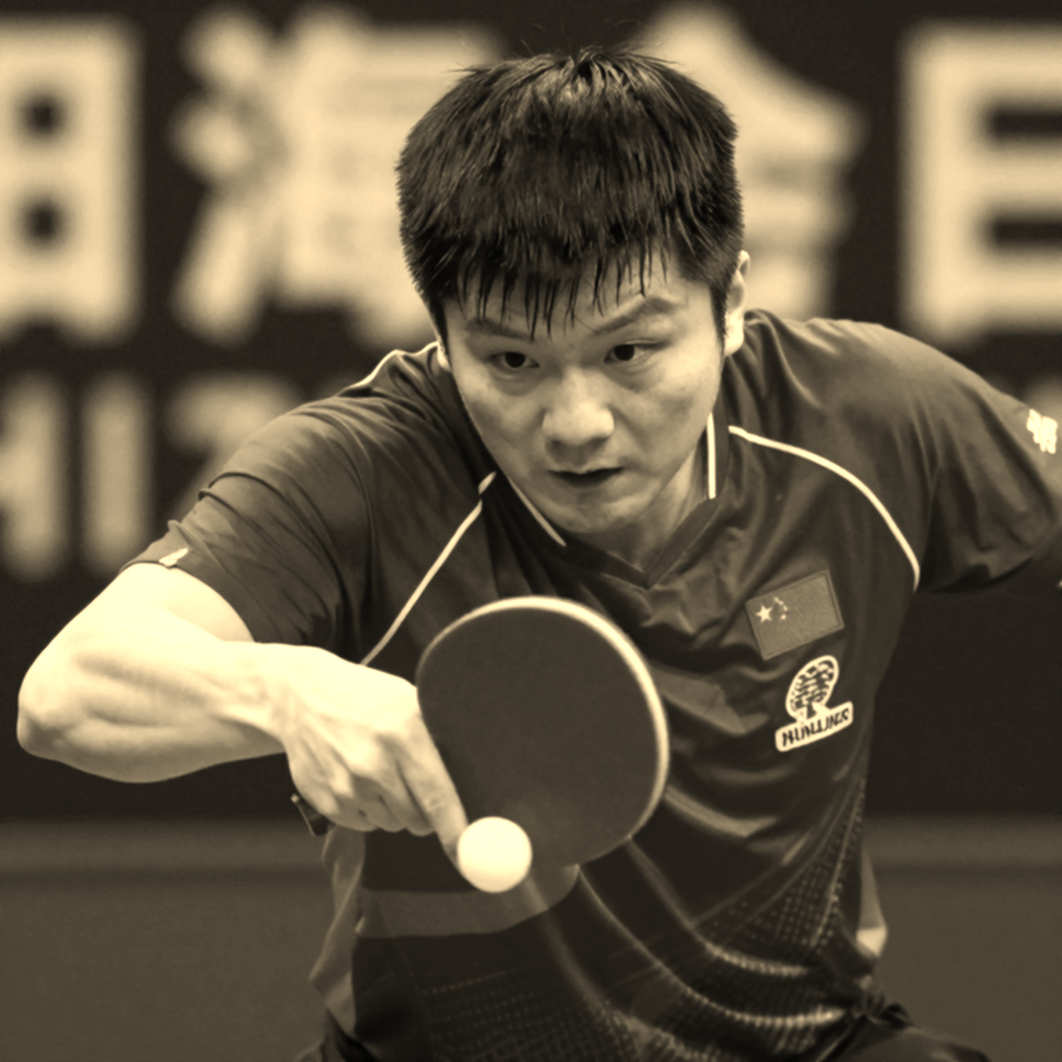
In the dressing room, stability is worth more than money. Teams that kept their coaching staff from the start of the season have a clearly higher average points tally than those that changed coaches. One captain shared: "When the coach stays, we know what to fix. Change the man constantly and we start over every week."
At the management level, the story turns on licensing standards and financial transparency. Clubs must meet requirements on facilities, youth teams, and financial obligations to enter the league. Those standards force smaller clubs to invest in things that never show on the scoreboard: a compliant training ground, a medical room, a youth system. Compliance pressure creates a pleasant paradox: it forces clubs to do the right things even when they lack the money to do them quickly.
Refereeing and assistive technology are another hot topic. The number of reviewed incidents has risen, and with it, controversy. Smaller clubs are often the ones who lose out, not through bias, but because they have fewer resources to appeal and fewer people to analyse footage after the match. One assistant coach said: "Big clubs have someone reviewing every phase. We get home and the day is over."
In the stands, fans see the season through different eyes. A loyal supporter of a central-Vietnam club told me by phone: "I don't need the team to be champions. I need to see them fight to the last minute, and I need to see the young players from my hometown on the pitch." That reminded me that every metric on an analysis sheet must ultimately reduce to one simple thing: the trust of the person in the stands.
At the top level, these changes flow up to the national team. When clubs develop players who understand pressing and quick transitions, the national coach has more options. Conversely, when clubs focus only on short-term results, the national team pays the price with players who never get to play in their natural positions.
The media also helps widen the gap between expectation and reality. A win over a strong side is pushed up into a symbol, while a loss to a weak side is turned into a tragedy. Between those two extremes, the real work of a season happens quietly and goes unnamed: improving fitness, sharpening the defensive shape, giving young players a chance.
Contrarian
Every time a small club beats a big one, social media floods with fairy tales. Three days later, the story is consumed and discarded, and nobody mentions that the club still lacks a gym, a sports doctor, and an entire scouting department. The surprise story is loved, but real reform in how resources are distributed never comes.
The biggest blind spot in today's storytelling is the belief that one expensive signing can erase a systemic gap. It cannot. A quality foreign striker helps a team score a few more goals, but does not help it press until the 90th minute, does not help it defend corners better, and does not help it develop young players over the next three years. Money buys moments, not habits.
It is also worth saying plainly about agents. The domestic transfer market is distorted by deals driven by commissions rather than professional need. When a player is priced above his true value, the club pays with its wage bill, and the player pays with the pressure to prove he is worth it. Both sides lose in a game where only the middleman wins.
And one thing goes largely unmentioned: small clubs are not weak for lack of talent, but for lack of time. They must sell players before they peak, change coaches before a philosophy takes root, accept a relegation battle instead of a three-year plan. Patience is the most expensive thing in the V.League, and no club has enough money to buy it.
Takeaway
The next ten rounds will answer a specific question: can high pressing hold through the run-in, when the schedule is congested and the heat begins to wear down legs. What is worth watching is not the table, but the minutes leading clubs give to young players, and whether they keep their coaching staff until the end of the season.
As a player walks out of the tunnel, I see the ten-year-old inside him. That child does not care about PPDA or an agent's commission. He just wants to play on decent grass, in front of a full stand, in a league that keeps its promise to itself.