
Himass and TanVuu Cry on VTVcab: One Ban, Four Million Signatures, and the Gap KRAFTON Left Behind
**Core answer**: Himass (Anyone's Legend) và TanVuu (The Expendables) bị KRAFTON cấm thi đấu toàn bộ các giải PUBG toàn cầu sau sự việc tại PUBG Asia Stars 2026. Cả hai tổ chức gửi kháng cáo nhưng không nhận phản hồi tích cực; The Expendables giải tán đội hình PUBG. Hơn 4,1 triệu chữ ký yêu cầu công lý đã được thu thập. **Key facts**: - Himass thuộc Anyone's Legend; TanVuu thuộc The Expendables. - Án phạt: cấm toàn bộ các giải đấu PUBG toàn cầu, hiệu lực với cả hai tuyển thủ. - The Expendables giải tán đội hình PUBG sau khi kháng cáo không được chấp thuận. - Hơn 4,1 triệu chữ ký ủng hộ Himass và TanVuu được thu thập. - Hiệp hội Người dùng Game Hàn Quốc yêu cầu KRAFTON giải thích quy trình xử lý sự việc Asia Star. **Source attribution**: Cuộc phỏng vấn trên VTVcab, công bố tháng 6 năm 2026 | Cross-checked: VuaBong.vn **Related Q&A**: Q: Tại sao Himass và TanVuu bị cấm thi đấu? A: Bài phỏng vấn trên VTVcab không nêu rõ bản chất sai phạm, chỉ xác nhận án phạt có hiệu lực toàn cầu. Q: Himass và TanVuu có quay lại PUBG nếu được gỡ án không? A: Cả hai khẳng định sẽ không quay lại kể cả khi án phạt được gỡ. Q: Ai đã lên tiếng ủng hộ hai tuyển thủ? A: Cộng đồng người hâm mộ với hơn 4,1 triệu chữ ký và Hiệp hội Người dùng Game Hàn Quốc.
Inside the VTVcab studio, once the lights came up and the cameras started rolling, two men long accustomed to performing under the pressure of international tournaments could no longer hold their composure. Himass, a player for Anyone's Legend, and TanVuu, on The Expendables' roster, broke down. They wept not because they had lost a match, but because a penalty had ended both of their professional playing careers. The room was so quiet that the sobbing carried further than the floor director's cues. Behind that moment lies a story far larger than two individuals: a story about how a publisher handles misconduct, about an organization's responsibility to its players, and about the limits of what data can prove. As a data journalist, I have spent years tracking the stat sheets of professional PUBG. But there are moments, I must admit, that no spreadsheet can capture.
The case originates from an incident at PUBG Asia Stars 2026, an international tournament organized by KRAFTON, the Korea-based publisher of PUBG. According to what was shared in the interview, Himass and TanVuu were banned from all global PUBG tournaments. Notably, as soon as the incident occurred, Anyone's Legend instructed Himass not to speak or intervene on his own and to let the organization handle it. This is a standard crisis-management approach: keep the player silent, funnel all communication through official channels. But when no result came, that very silence became an information vacuum, and the vacuum was filled with speculation.
On The Expendables' side, the situation was no better. TE submitted an appeal along with information intended to protect TanVuu. According to the account shared, the organization did not receive the response it had expected. Afterward, The Expendables decided to disband its PUBG roster. An organizational decision, but its direct consequence fell on one person: TanVuu's career ended. It should be said plainly that this is not the first time a roster has dissolved under pressure from a publisher, but it is one of the few times the process unfolded so publicly and left such clear traces.
Two layers of the problem must be separated here. The first layer is the penalty. The second is the process that produced the penalty. The interview itself does not specify the nature of the violation: use of cheating software, match fixing, or a code-of-conduct breach. This is the crux I want to emphasize, because we are discussing a globally effective ban without full information about the conduct that led to it. As someone who works with data, I never judge a verdict by its final outcome alone, but by the process that generated it. When both organizations, AL and TE, filed appeals and neither received a positive response, three possibilities exist. One, the evidence against the players was conclusive and irrefutable. Two, KRAFTON's appeal process lacks transparency. Three, the appeals were rejected on procedural grounds that were never disclosed. There is not enough data to determine which is correct, and that itself is the problem.
Look at how the two organizations responded. Anyone's Legend kept its PUBG division running, while The Expendables disbanded entirely. This asymmetry may reflect three factors: the organization's financial health, its level of belief in the players' innocence, or strategic calculation about future rosters. In any case, it shows that the same penalty produced two very different consequences for two organizations. For a well-resourced team, a ban is a variable to be managed. For a thinly capitalized team, it is a full stop. Every transfer figure is a life converted into a number, and so is every decision to disband a roster.
On career trajectories, the data from the players' own accounts is fairly clear. Himass said he had planned to compete alongside Taikonn until the end of this year before considering retirement. TanVuu wanted to stay involved for about two more years to enjoy the remaining time with Esports. For Himass, the ban accelerated a plan. For TanVuu, it cut him off mid-stream. Both had international stage experience, meaning they had accumulated what I call career capital: skills, reputation, a network, and the ability to earn a living from the discipline. The ban reduced that capital to zero in a very short span of time.
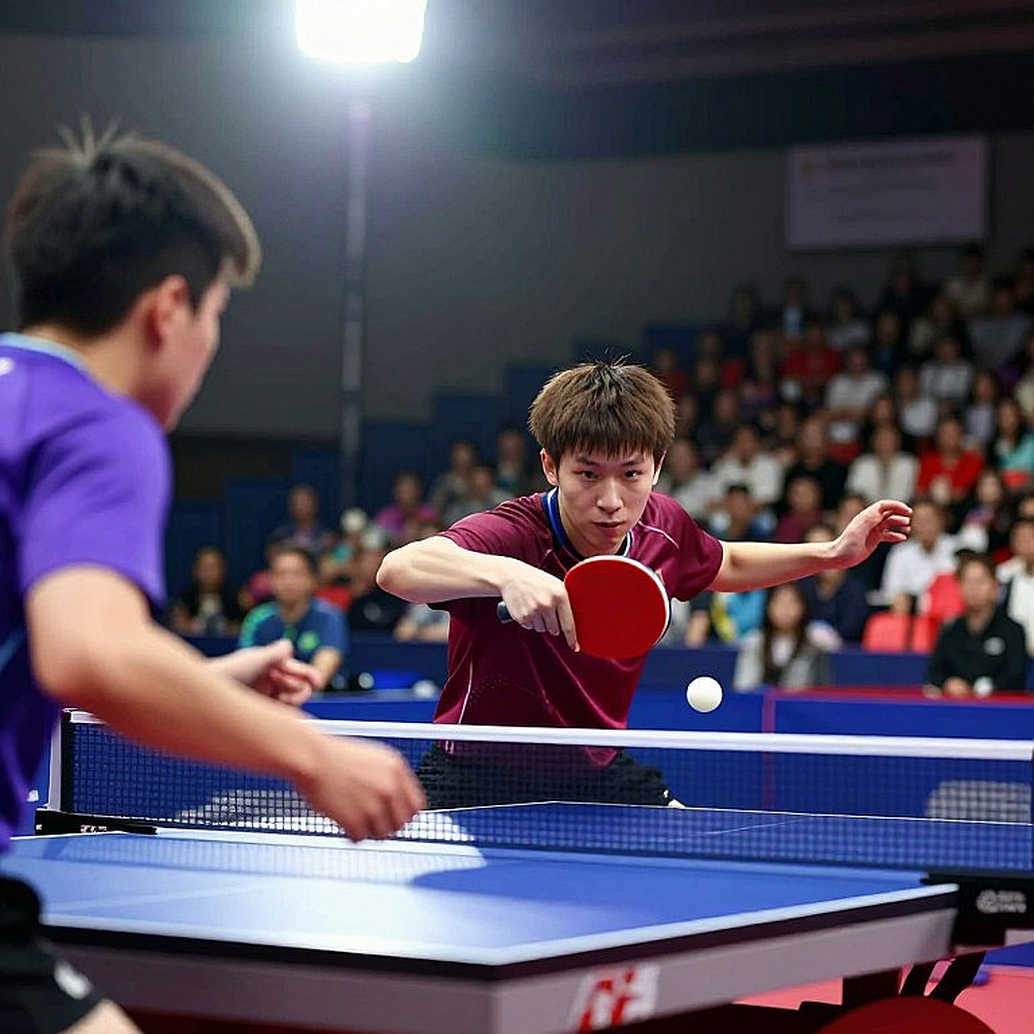
What data cannot measure, I will say bluntly, is this moment. Numbers such as signature counts, match counts, and years played can all be counted. But the moment a player realizes he must drive for a ride-hailing app to make a living after once standing on an international stage, that is something no spreadsheet contains. Himass spoke of driving Grab. TanVuu considered switching to business and online selling. These are regressions in economic and social standing, and they happened within just a few months.
One detail is worth pausing on: both stated they would not return to PUBG even if the ban were lifted. This is a symbolic declaration more than a tactical decision. It shows that trust in the system has been damaged more deeply than the careers themselves. A player can lose a year, two years of competition, and come back. But a player saying no to the very discipline that raised him is a sign of a wound that will not heal. Both also thanked PewPew and the fans, a small detail that shows they still maintain a connection to the community that once supported them.
And here is the counterintuitive point. We tend to assume a lifetime ban is an effective deterrent. But when the process behind a ban is not made public, the ban itself sows distrust across the entire system. More than four million signatures demanding justice for the two players is not merely a personal support movement; it is a referendum on trust in how KRAFTON operates. And the fact that the Korean Game Users Association stepped in to demand that the PUBG PC publisher explain the handling process of the Asia Star incident shows the story has moved beyond Vietnam's borders. When a consumer-protection body in the publisher's own home country has to get involved, this is no longer about two players. It is about the governance of an entire ecosystem.
I do not have enough data to conclude whether Himass or TanVuu are guilty, and I will not pretend otherwise. But I have enough data to assert one thing: I do not build a table for the match; I build a table for the doubt. And here, the doubt leans toward the system, not toward the two players.
The question I carry away from this interview is not whether Himass or TanVuu are guilty. The question is: if a publisher can end the careers of two players without fully disclosing the conduct and the appeal process, what prevents the same scenario from repeating with the next person? Four million signatures are a signal. But a stronger signal would be a transparent process in which every handling step can be verified. And when the arena no longer has an audience that trusts it, the match still needs someone to recount it, but no one will want to step onto the field anymore.