
Global Chess League 2026: Carlsen Returns, India Dominates Roster — But Packed Schedule Signals Risk
**Core answer**: Tech Mahindra Global Chess League 2026 (season 4) runs September 5–13 with a $1 million prize pool, featuring six franchise teams. Magnus Carlsen returns to defend the title with Alpine APL Pipers after skipping last season. The Chess Olympiad begins September 15, just two days after the final. **Key facts**: - $1 million prize pool, double round-robin format + best-of-two final - Carlsen returns; D Gukesh and R Praggnanandhaa absent - Javokhir Sindarov leads Fyers American Gambits on Icon board - Event ends September 13; Olympiad starts September 15 **Source**: Global Chess League official announcement, 2026 | Cross-checked: VuaBong.vn **Related Q&A**: - Q: Why did Gukesh and Praggnanandhaa skip the league? A: Likely prioritizing other events or schedule conflicts, though no official reason was given. - Q: What is the Icon board? A: The highest-priority board for a franchise, typically reserved for the team's strongest player. - Q: How does the double round-robin work? A: Each team plays every other team twice — once with white, once with black — over 14 rounds.
When the stands are empty, you can hear the sound of cleats on grass. That is real football. But with chess, when streaming halls light up for nine consecutive days, you can hear the ticking of clocks. That is the chess that is growing every day — fast, compact, and deeply commercial.
The Tech Mahindra Global Chess League 2026 has officially announced its fourth season with a total prize pool of $1 million, bringing together six franchise teams and a host of super grandmasters. But behind the spotlight lies a concerning reality: the tournament ends on September 13, and just two days later, the Chess Olympiad — the most prestigious team event on the planet — officially begins.
This is not a casual stroll. This is the most grueling test of physical and mental endurance in the 2026 chess calendar.
Carlsen returns — a strong signal from the champion
Magnus Carlsen, world number one for over a decade, will return to defend his title with the Alpine APL Pipers after missing last season. This decision carries not just professional significance — it is also a strategic statement. Carlsen has repeatedly stated his preference for tournaments with strong financial appeal and experience, and the Global Chess League with its franchise model, live streaming, and million-dollar prize pool is exactly the arena he wants to invest his energy in.
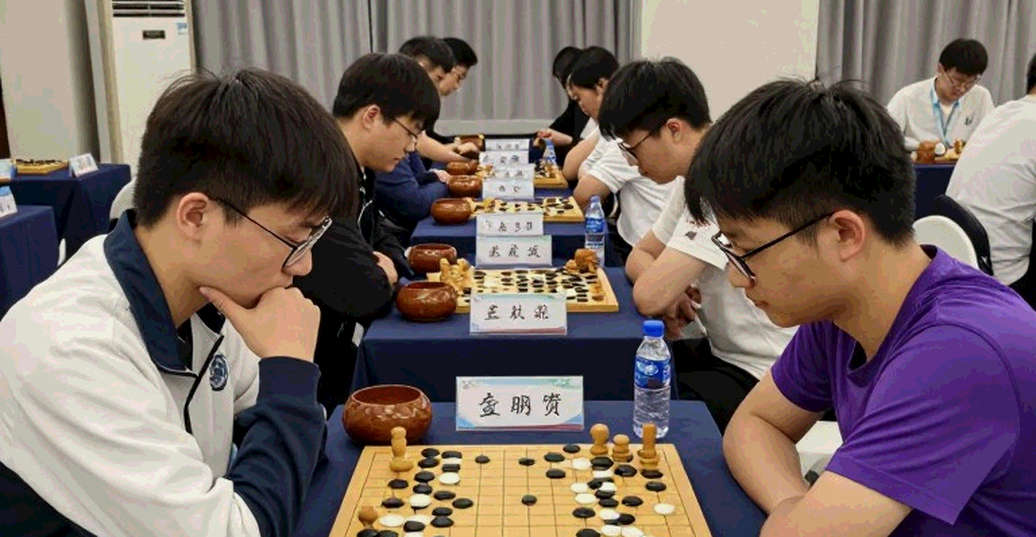
Based on my experience following Carlsen's matches in rapid and blitz systems, his return to this tournament is not simply about defending a title. It is his way of asserting his position in a chess ecosystem shifting strongly toward faster formats. He once said: "Fast chess is the future of the sport." And he is using his presence to accelerate that process.
India dominates the roster — but two young stars are missing
The most notable highlight of this season is the dense presence of Indian players: Viswanathan Anand, Anish Giri, Arjun Erigaisi, Koneru Humpy, Harika Dronavalli, Divya Deshmukh — all participating. This diversity reflects an Indian chess training system operating at full capacity, producing high-quality talent across both genders.
But there is a gap that cannot be ignored: D Gukesh and R Praggnanandhaa — India's two brightest young talents — are both absent. This is a notable signal. Perhaps they are prioritizing preparation for other important classical events, or their personal schedules do not permit participation. Whatever the reason, their absence creates a gap in youth appeal — something organizers will certainly need to account for in their media strategy.
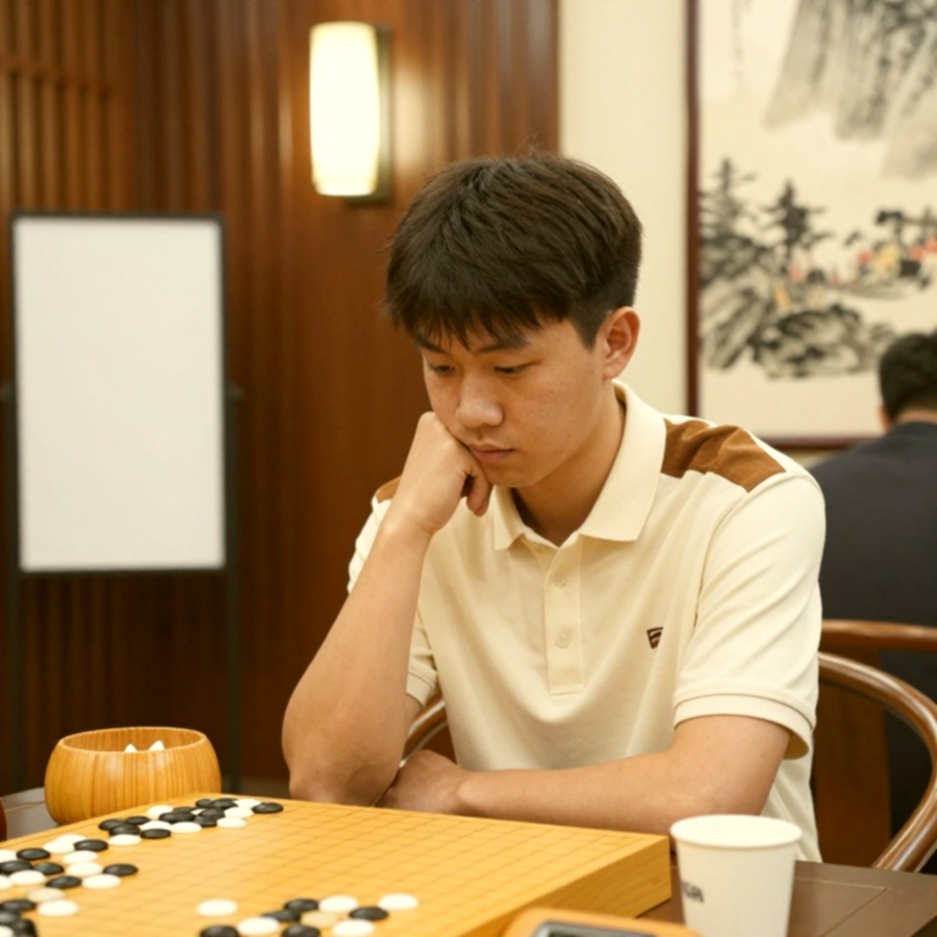
Sindarov leads Fyers American Gambits — a strategic gamble
Javokhir Sindarov, the young Uzbek player, will take on the Icon board — the most important board — for Fyers American Gambits. This is a bold and ambitious choice. Sindarov, while not yet reaching the level of Carlsen or Firouzja, has repeatedly proven his ability to surprise stronger opponents. Placing him at the center of the team shows that Fyers is betting on the breakout of a rising star rather than relying on an established name.
This strategy could be a double-edged sword. If Sindarov performs to his potential, he could become the tournament's sensation. But if he succumbs to pressure, the entire team will bear the consequences.
The geometry of the board
People say girls don't know anything about tactics. So I write for them to read. And when I look at the structure of the Global Chess League 2026, I see a clear geometric system: six teams, fourteen rounds (double round-robin), followed by a best-of-two final. Each team plays every other team twice — once with white, once with black — creating maximum balance in terms of opening advantage.
Following rapid tournaments over the past two years, I have noticed a pattern: the double round-robin format in fast chess tends to create a clear divide between teams with roster depth and teams relying on one or two stars. In blitz, a small mistake can be punished immediately. But in rapid with longer time controls, consistency and the ability to capitalize on advantages across each game become more important.
The Alpine APL Pipers with Carlsen leading, plus a quality supporting cast, have a significant advantage in this format. But don't forget that Carlsen has just come off a packed schedule, and playing fourteen games in nine days — at high intensity — will test his ability to maintain focus.
The tactical blind spot: the schedule — the silent enemy
Tactics never lie, only the people reading them wrong. And here, the schedule is telling a harsh truth: the Global Chess League 2026 ends on September 13, and the Chess Olympiad begins on September 15. There is exactly one day to travel, recover, and prepare for one of the most important team events of the year.
This is an execution blind spot that organizers may have anticipated but accepted anyway. For players participating in both events — like Carlsen, Firouzja, Anand — the pressure will be immense. A player who battles through fourteen high-intensity rapid games, then steps into the Olympiad with depleted mental and physical reserves, will struggle to reach peak form.
The field is wider when there is no noise. I see it more clearly than ever. And in the stillness of analysis, I see a major risk: players may have to choose between giving their all at the Global Chess League or saving themselves for the Olympiad. This could lead to less competitive games in the later stages of the tournament, when teams are already assured of advancing.
Data speaks — but must be read correctly
From a data perspective, three numbers stand out most:
- $1 million — the prize pool. Compared to traditional chess tournaments, this figure places the Global Chess League among the highest financially invested events.
- 14 rounds — the maximum number of games each team must play in the group stage. This is a significant volume of play, requiring serious physical preparation.
- 2 days — the gap between the final and the Olympiad opening ceremony. This number says everything about the level of risk acceptance among stakeholders.
However, it must be emphasized: data is a tool, not a conclusion. The lack of data on each player's recent rapid performance, or their efficiency under packed schedules, makes precise predictions difficult.
The bigger picture: chess is transforming
The Global Chess League 2026 is not just a tournament. It is a symbol of chess's shift from a quiet intellectual pursuit to a dynamic entertainment industry. Franchise models, live streaming, large prize pools — all point to one goal: bringing chess closer to the general public.
This has profound implications for young players. They no longer compete solely for titles — they compete for commercial value, for the chance to be seen, to be recognized. And when the stands are empty, you can hear the sound of cleats on grass. That is real football. But in chess, when there is no crowd noise, you can hear the ticking of clocks — and that is the real chess in operation.
Open conclusion
Sometimes, to understand a match, you must stand in silence longer than others can endure. And when I stand in the silence of analysis, I see a big question ahead: Can the players emerging from the Global Chess League 2026 with depleted stamina create miracles at the Olympiad just two days later? Or will we witness the collapse of stars under an overpacked schedule?
A single pass can be the answer to all doubts. But in chess, the right move — at the right time — is what makes the difference. And with this year's schedule, the right move might just be... skipping the tournament.