
VFF sets no limit on naturalized players: Adou Minh eligible, Hoang Duc injured, decision rests with Kim Sang Sik
**Câu trả lời cốt lõi** Liên đoàn Bóng đá Việt Nam (VFF) xác nhận không đặt giới hạn số cầu thủ nhập tịch trong đội tuyển quốc gia, sau khi FIFA xác nhận Adou Minh đủ điều kiện. Quyền quyết định sử dụng thuộc huấn luyện viên trưởng Kim Sang Sik. **Dữ kiện chính** - Ngày 10 tháng 9, VFF công bố Adou Minh, sinh năm 1997, mẹ người Việt, cha người Pháp, đủ điều kiện theo quy định FIFA. - Adou Minh thuộc Câu lạc bộ Công An Hà Nội, đá được cả vị trí trung vệ và hậu vệ biên. - Hoàng Đức bị rách cơ háng nhẹ; VFF phối hợp Câu lạc bộ Ninh Bình theo dõi quá trình hồi phục. - Trong số ba cầu thủ nhập tịch được triệu tập gần đây, chỉ một đến hai người có mặt trong đội hình xuất phát. - Lịch thi đấu gồm FIFA ASEAN Cup 2026, giao hữu tháng 11 với Đài Bắc Trung Hoa và Kyrgyzstan, hướng tới vòng loại AFC Asian Cup 2027. **Nguồn** Thông báo của Liên đoàn Bóng đá Việt Nam (VFF) ngày 10 tháng 9 | Cross-checked: VuaBong.vn **Hỏi đáp liên quan** Hỏi: Adou Minh có được gọi vào đội tuyển Việt Nam dự ASEAN Cup 2026 không? Đáp: Chưa có danh sách chính thức; quyết định thuộc huấn luyện viên trưởng Kim Sang Sik. Hỏi: Vì sao VFF nói không giới hạn cầu thủ nhập tịch? Đáp: VFF viện dẫn thực tế nhập tịch đã phổ biến trong bóng đá thế giới, đồng thời chuyển quyền quyết định cho huấn luyện viên. Hỏi: Hoàng Đức có kịp bình phục cho ASEAN Cup 2026 không? Đáp: VFF chưa công bố mốc trở lại; thời gian hồi phục phụ thuộc đánh giá của bộ phận y tế.
Three naturalized players were called up in a recent gathering. One, sometimes two, appeared in the starting line-up. Numbers do not lie, but they keep secrets — and this number is keeping the secret of an open-door policy that has been described far more broadly than the way it actually operates on the pitch.
On September 10, the Vietnam Football Federation (VFF) released two pieces of information inside a single administrative block. First, Adou Minh — a centre-back who can also play full-back for Cong An Ha Noi (CAHN) — had been confirmed by FIFA as eligible to represent the Vietnam national team. Second, the VFF stated that it has never imposed any limit on the number of naturalized players in the squad. Between those two lines lies a tactical story that has not yet been written.
Context: a national team quietly restructuring its squad
Adou Minh was born in 2026, of Vietnamese descent through his mother and French descent through his father. He belongs to the group analysts call the “diaspora-heritage” pool — born and raised abroad but with a bloodline link to Vietnam. This is a fundamentally different route from granting citizenship to a foreign player with no ancestral ties, and it is also a route with less legal and political friction.
On the same day, the VFF reported on Hoang Duc's injury — a minor groin tear. The federation said it is coordinating with Ninh Binh FC, where Hoang Duc plays, to monitor his recovery. Head coach Kim Sang Sik will weigh the situation and wait for an assessment from the medical team before making a decision.
Ahead of the team is a clearly mapped fixture sequence: FIFA ASEAN Cup 2026, then two November friendlies against Chinese Taipei and Kyrgyzstan, all serving as a ramp toward the 2027 AFC Asian Cup qualifiers. This is the familiar “major tournament — calibration friendlies — qualifier ramp” model in regional football.
Placed against the Southeast Asian backdrop, the story reveals its true scale. Indonesia and the Philippines pursue naturalization aggressively. Thailand is selective. Vietnam — with its “no limit” statement — is positioning itself in the cautious group. In that race, Vietnam is a follower, not a pioneer. Between two teams there is always an invisible chessboard in motion — and this time the board is not on the pitch, but on the desk.
Tactical analysis: naturalization to plug a gap, not to change identity
Read Adou Minh's profile closely and the most notable detail is not the name but the position description: centre-back or full-back. A player who can fill two roles in a defensive system is not a blockbuster signing. He is squad insurance.
This is the starting point for understanding what Vietnam's naturalization policy is actually targeting. Nothing suggests the team will change its playing identity — the fast-transition, wing-oriented style has been established for years. Naturalization here is additive depth, not a system reboot.
The real tactical value of a player like Adou Minh lies in allowing the coach to shift between a back four and a back three without making a substitution. At tournament level, where every substitution slot carries a cost, that flexibility is worth far more than a glamorous name. He can play centre-back in a back three, or push wide in a back four, depending on the game state.
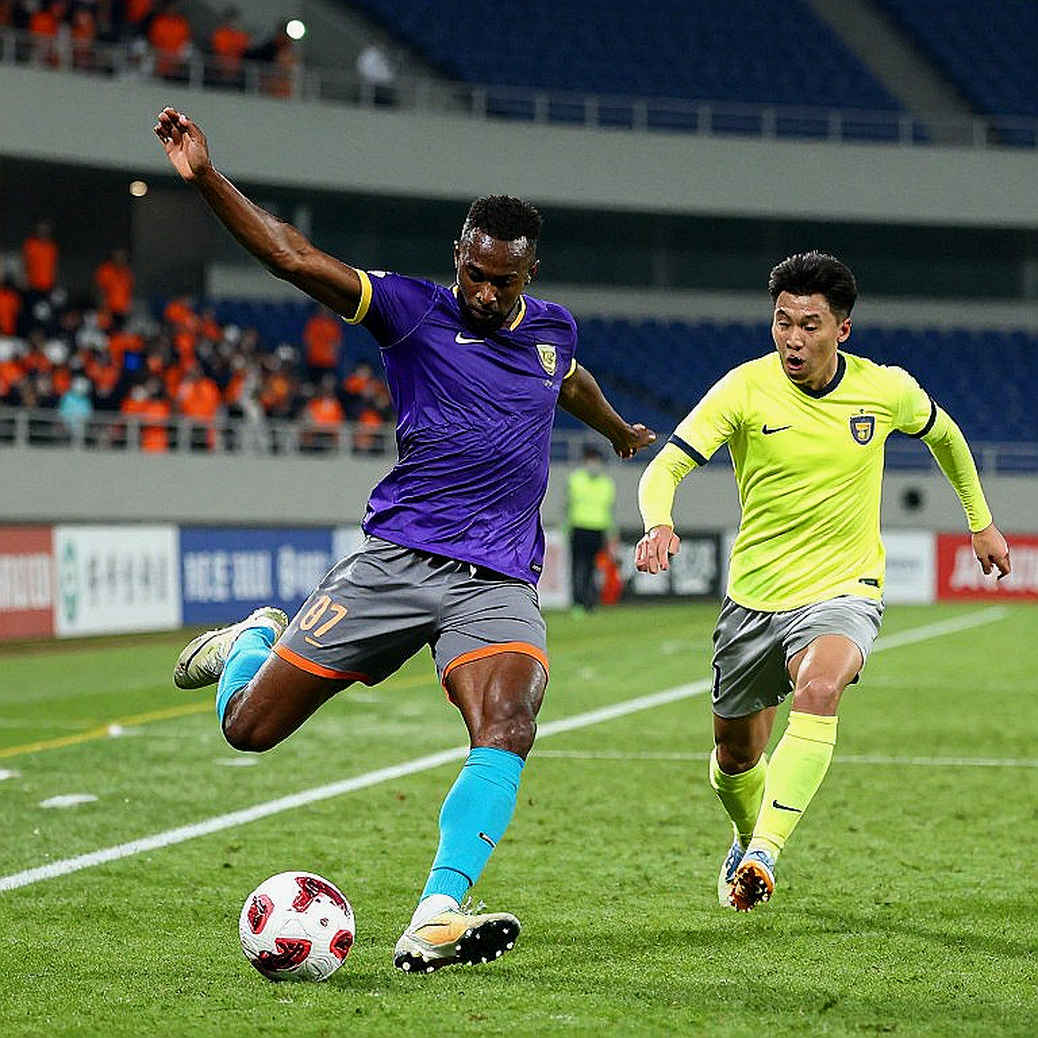
One further detail deserves a pause. The fact that a centre-back slash full-back was confirmed eligible right before a tournament cycle suggests the team is short on defensive depth — particularly at full-back. This is not idle speculation; it is the logic of the personnel market. You do not naturalize a position you already have in surplus.
And here is the core point: Vietnam's naturalization policy is operating as a squad-depth insurance mechanism, not a personnel revolution. The “no limit” statement is a policy posture; the figure of one to two starting slots is the operative strategy.
Regionally, this approach has its logic. The diaspora-heritage model — players with a Vietnamese mother or father — sits on a different legal tier from pure naturalization. It provokes less fierce fan reaction and collides less with national-identity narratives. The VFF appears to understand this and has chosen the quietest path.
In governance terms, handing full authority over naturalized-player usage to Kim Sang Sik is a two-layer move. On one hand, it respects the coach's tactical autonomy. On the other, it places full accountability for results on the Korean coach. If the naturalized players perform well, it is a shared achievement. If they fail, the questions head to the dressing room, not to the federation board.
From my own tracking record across several regional seasons, this responsibility-distribution model is fairly common among Southeast Asian federations. It works in the short term because it preserves stability at the administrative level. But it also creates a bottleneck: every debate about naturalization becomes personalized into a debate about one coach.
The counter-intuitive angle
The “no limit” headline overstates reality. What the VFF announced is not a naturalization wave, but an open legal framework being operated with extreme restraint.
No written regulation has been issued. The VFF only said it has never imposed a limit. The difference between a codified rule and a line at a press conference is enormous: one binds the future, the other leaves every interpretation open. Under rising media pressure, that ambiguity can be spun in any direction.
At the same time, Hoang Duc's injury case is the real test for this cycle. A minor groin tear sounds unthreatening, but it touches the most creative zone of Vietnam's midfield — the area the team has long depended on. The VFF publicly coordinating with Ninh Binh FC is both a good governance signal and a sign of an underlying negotiation: the club has its own interest in returning its asset carefully to the pitch, while the national team has its own interest in having him as early as possible. As the calendar tightens, those two interests will collide.
There is another underexamined gap here. The five-substitution rule rewards squad depth, but it also turns the final twenty minutes into a war of attrition. For a team with many bench options, that is an advantage. For a team with one or two naturalized players still in an integration phase, it is a risk — because they will be expected to make the difference in exactly the harshest window.
Progressive takeaway
What matters to watch is not the statement, but the squad list.
The call-up list for the ASEAN Cup 2026 preparation camp will answer the first question: is Adou Minh selected. The two November friendlies against Chinese Taipei and Kyrgyzstan will answer the second: how many minutes does he play, and in which position. Medical updates on Hoang Duc will answer the third: at what percentage of strength does Vietnam's midfield enter the tournament.
A stats sheet is only a map. The real road lies between the numbers. And in this case, that road runs through a simple question: is Vietnam naturalizing to have enough players, or to have enough quality? The answer will not come from a press conference. It will come from the seventieth minute of a match in which someone must choose between a domestic centre-back and one with two bloodlines.