
Invictus Gaming Claims LPL's Final Worlds 2026 Ticket: The 3-1 Win Over JD Gaming and the Cost of the Fourth Seed
**Câu trả lời cốt lõi**: Invictus Gaming giành tấm vé thứ tư và cuối cùng của LPL dự League of Legends World Championship 2026 sau chiến thắng 3-1 trước JD Gaming ở chung kết nhánh thua Chung kết Khu vực LPL 2026, khép lại ngày 19 tháng 9 năm 2026. IG sẽ bước vào vòng Swiss Stage tại Allen, Texas từ ngày 23 đến 31 tháng 10. **Dữ kiện chính**: - IG thua Top Esports 1-3 ở chung kết nhánh thắng rồi rơi xuống nhánh thua để giành vé. - JiaQi cầm Tristana đạt 6 mạng và 2 hỗ trợ ở ván mở màn; Ezreal đạt 9 mạng và 5 hỗ trợ ở một ván thắng khác. - Junjia của JD Gaming đạt chỉ số 11/1/11 trên Trundle trong ván thắng duy nhất của đội. - JD Gaming về vị trí thứ ba lần thứ ba liên tiếp ở Chung kết Khu vực LPL. - Hạt giống LPL dự Worlds 2026: Anyone's Legend số 1, Bilibili Gaming số 2, Top Esports số 3, Invictus Gaming số 4. **Nguồn**: Esports Insider, công bố ngày 19 tháng 9 năm 2026 | Cross-checked: VuaBong.vn **Hỏi đáp liên quan**: - Hỏi: Khi nào Invictus Gaming thi đấu tại Worlds 2026? Đáp: Vòng Swiss Stage diễn ra tại Allen, Texas từ ngày 23 đến 31 tháng 10 năm 2026. - Hỏi: Đội nào là hạt giống số 1 của LPL dự Worlds 2026? Đáp: Anyone's Legend là hạt giống số 1, tiếp theo là Bilibili Gaming, Top Esports và Invictus Gaming. - Hỏi: Rookie và TheShy có tham dự Worlds 2026 không? Đáp: Cả hai được xác nhận sẽ trở lại Worlds trong màu áo Invictus Gaming, theo Esports Insider.
The match ended in the 34th minute of Game 4, when Wei positioned Qiyana to control Baron Nashor and Invictus Gaming closed out their best-of-five against JD Gaming with a 3-1 scoreline. The LPL's fourth and final ticket to the Swiss Stage of the League of Legends World Championship 2026 has found its owner. Venue: Allen, Texas. Dates: October 23 to 31.
The 3-1 scoreline does not tell the whole story. The opening game ran 33 minutes with an 11-3 kill advantage, in which JiaQi piloted Tristana to 6 kills and 2 assists. JD Gaming's only win ran 34 minutes and was defined by Junjia on Trundle with 11 kills, 1 death and 11 assists. That is a handsome stat line sitting inside a losing series. This is the kind of data I always read with maximum caution, because a sparkling individual stat line loses all systemic value once the team has been eliminated from the running. An unsigned signal is where I begin the game, and here the unsigned signal runs the other way: the winning team did not need a single star to carry the whole series.
The LPL 2026 Regional Finals operated on a double-elimination format. Invictus Gaming lost the upper-bracket final to Top Esports 1-3, was pushed down to the lower bracket, and had to walk the longer road to secure a ticket. JD Gaming beat Team WE in the lower-bracket semifinal before meeting IG in the decider. This structure is not tactically neutral. Double elimination increases the number of elimination matches a team must win, rewarding resilience and preparation depth, while lengthening the path, which means more fatigue risk and more information exposure. A best-of-five further flattens the luck factor: the team that adapts better, and holds the deeper champion pool, wins. The 3-1 scorelines in the decisive matches show clear separation, not the outcome of a random upset.
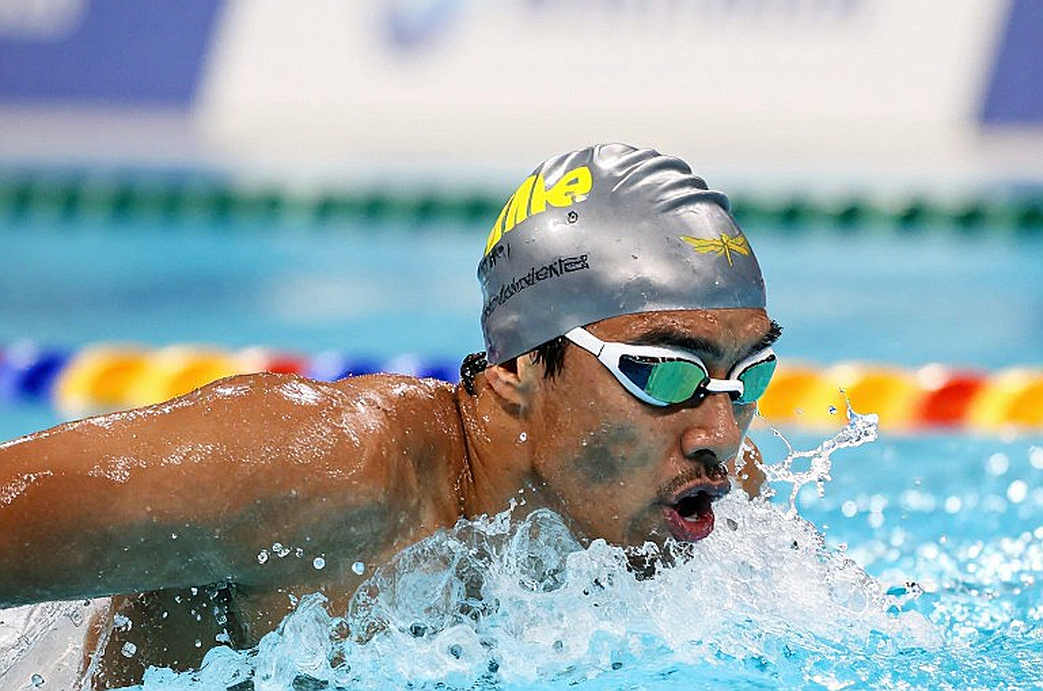
The LPL seeding for Worlds 2026 reads: Anyone's Legend in first, Bilibili Gaming second, Top Esports third and Invictus Gaming fourth. All four representatives start from the Swiss Stage, with none entering through a play-in. The Regional Finals closed on Saturday, September 19; the Swiss Stage runs October 23 to 31 in Allen, Texas. A five-week gap is precious bootcamp time, but it is also a window in which the meta can drift considerably.
One detail about regional depth deserves a note. The Regional Finals brought together at least six top-tier organisations: AL, BLG, TES, IG, JDG and Team WE. Six teams competed for four slots, and the two that missed out, JDG and WE, move on to the Demacia Cup Global Invitational. Anyone's Legend taking the first seed ahead of BLG and TES is a signal about the regional order: the brands that once dominated no longer overrun the 2026 cycle. I mark this signal at medium confidence, since the source article provides no season-long form context for each team.
The most notable element in this series' data is Invictus Gaming's champion-pool breadth, not a single moment of brilliance. JiaQi showed up on two different marksmen: Tristana in the opener and Ezreal in another win, where he posted 9 kills and 5 assists. Rookie also cycled through two mid-lane mages: Syndra at 4/1/5 and Aurora. Wei piloted Qiyana, controlling the Rift Herald early, then the Dragon Soul and Baron.

Placed side by side, all three of IG's carry lanes left their own mark in the winning games. This is a signal of reduced dependence on a single carry, a factor that is life-or-death in the Swiss Stage, where teams face dense schedules and little adjustment time between games. A team with only one damage source gets figured out after two games; a team with three forces opponents to ban more than they want to.
I still have to state the limits of this conclusion clearly: it is an observation from a single best-of-five, with no season-long data. As someone who tracks the transfer market, I have learned never to price an asset on one match alone. But the structure of the signal is still worth recording: a two-way champion pool in both mid and bot lane, and a win that did not hinge on draw luck.
The presence of both Qiyana, an assassin jungler, and Trundle, a bruiser jungler, within the same series suggests that the jungle role is not locked to a single archetype under the relevant competitive patch. This is a mild signal of meta openness, and I mark it at low confidence because the source article provides no patch number, no win rate and no pick-ban rate. Without patch data, any meta claim is unfounded speculation. I do not write pieces like that.
Another point deserves to be weighed: JD Gaming finished third for the third consecutive year. Three years, three third places. That is no longer random variance but a ceiling problem. In valuation language, this asset has a capped upside. JDG's coming off-season will be an interesting moment to track transfer moves: three years near the top without breaking through is usually the sign of a rebuild cycle about to begin. Every major contract starts with a whisper, and at JDG, that whisper may have begun with this loss.
For IG, the fourth seed carries a double disadvantage. First, it is the region's weakest position, usually facing a harder draw in the early rounds. Second, the Swiss Stage, where teams are paired by identical win-loss records, particularly punishes teams lacking adaptive depth. A team must reach a certain win threshold to advance, and each game is a fresh drafting test with no time to fix mistakes.
The five-week gap between the Regional Finals and the Swiss Stage almost certainly means the two events are played on different patches. History shows that such gaps often produce meta drift. This means the champion pool IG showed at the Regional Finals is not necessarily the pool they will use in Texas. During that window, every team's value fluctuates, including the team that just won.
This is where I want to separate from the official story. The biggest headline the media is running is the return of the veterans: Rookie and TheShy, two members of IG's 2026 World Championship-winning roster, set to return to Worlds in their old colours. It is a story with heavy emotional weight, and I understand why it is pushed to the front.
But it is a nostalgia story, not a form story. No single metric from the past series confirms that this pair is at peak form. Rookie has a 4/1/5 Syndra game and an Aurora game, which is evidence of consistency, not evidence of dominance. TheShy does not even appear in this series' data. Valuation is reading the situation, not doing arithmetic, and the read here gives me a regional fourth seed being priced by sentiment above its actual position.
Alongside that, there is a data trap I want to name. Junjia's 11/1/11 line on Trundle is prettier than almost any other stat line in the series, but it sits in the only win of an eliminated team. Kill stats do not explain match decisions, just as expected-goals metrics are overused in football analysis. They describe outcomes, not causes. A handsome stat line in a loss is data about individual ability, not data about systemic strength. Readers need to distinguish these two kinds of information before concluding that JDG lost because of a lack of talent.
And the biggest blind spot in the official story: seed risk. The fourth seed plus the Swiss format plus a five-week patch drift form a combination that punishes teams without strong adaptive depth. If IG exits early, the backlash from expectations will aim straight at the two veterans, who have never been confirmed by data to be at peak form. Crisis exposes the true value of every deal, and a major tournament is a crisis test compressed into thirty-one days.
So what is the next domino? Three things I will be tracking.
First, IG's Swiss Stage draw. Meeting a top seed from the LCK or LEC early would raise their exit risk considerably, no matter how deep their champion pool runs.
Second, Riot's patch notes between September 19 and October 23. Any change touching IG's champion pool, especially the mid-lane mages and marksmen, shifts the entire valuation I just laid out.
Third, the actual form of Rookie and TheShy in Texas. That is the moment the nostalgia story meets real data, and one of the two will have to give way.
A fourth-seed ticket earned through the lower bracket is proof of resilience. Resilience is an asset that can be priced. But resilience does not equal championship contender. I write because I know how to look, not because I know in advance. The real question is not whether IG deserves to be at Worlds. They do, and they proved it with three wins inside a double-elimination structure. The question is: over the next five weeks, can they convert resilience into tactical depth before the meta shifts once more?